The Fatigue That Sleep Won't Fix
By Constanze Link · September 8, 2026
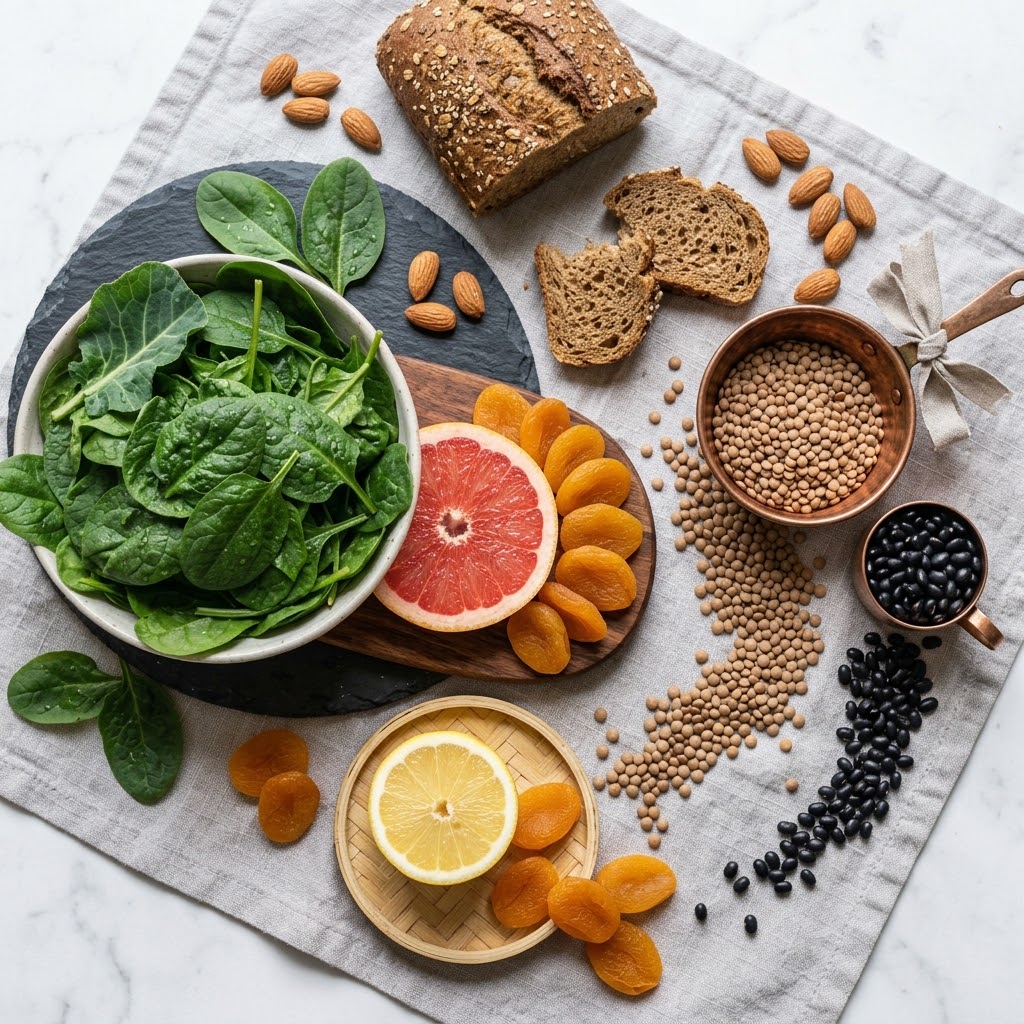
You've dialed in your bedtime. You've limited late-night screen time. Yet, you're still dragging through the afternoon.
When persistent tiredness doesn't respond to rest, it is worth asking whether the issue sits upstream of sleep entirely. For many women, it does - and a frequent, often overlooked factor is iron status.
The Research Behind the Energy Drain
A recent 2026 meta-analysis published in Sports Medicine reviewed 42 studies on active women, finding iron deficiency rates between 15% and 35%.
It is easy to categorize this as an "athlete problem" and move on. However, the biological factors that draw down iron reserves - menstruation, metabolic demands, and irregular eating - affect women across every pace of life. You do not need to be training for a marathon to run low on essential micronutrients.
Why Restoring Energy Takes Time
An important caveat grounded in the research: correcting iron levels does not always resolve fatigue overnight.
Fatigue is rarely driven by a single variable. More often, it reflects the compound effect of erratic meal timing, skipped breakfasts, and relying on caffeine to fill energy gaps. Iron status may be one critical piece of the puzzle, but restoring overall vitality requires supporting the whole system.
Real healthspan isn't built on panic-bought supplements - it is built on flexible, repeatable habits that hold up through every season of life.
Step 1: Get the Data
Before changing your routine, focus on testing rather than blind supplementation. Iron is a nutrient where more is not better; excessive levels carry real health risks, and you cannot accurately assess your status without biological data. Request a comprehensive panel - including serum ferritin and a complete blood count - from your healthcare provider. Evidence beats guesswork every time.
Practical, Low-Friction Systems
Once you have clear data, the focus shifts to small, practical habits that build steady momentum.
Define a "minimum viable meal"
Establish one effortless, balanced option you can assemble on your most demanding days. The goal is a reliable floor for your nutrition, not culinary perfection.
Anchor one iron-forward meal
Focus on establishing a single reliable meal each week rather than overhauling your entire menu. Consistency with one habit yields better long-term results than an ambitious plan you abandon by mid-week.
Leverage nutrient pairing
Pair plant-based iron sources with vitamin C (such as citrus, bell peppers, or tomatoes). Vitamin C significantly enhances non-heme iron absorption at the cellular level.
Observe your caffeine patterns
Coffee is not the enemy, but if it is serving as a daily substitute for actual dietary energy at 3 p.m., that is valuable information about your underlying nourishment.
Small, well-designed choices remove decision fatigue.
You do not need a complete lifestyle overhaul; you simply need a few thoughtful defaults that support your physiology while you live your life.
A Simple Starting Point
Choose just one small action this week:
- Schedule a blood panel with your physician.
- Identify your minimum viable meal.
- Select one reliable, nutrient-dense anchor meal for the week ahead.
Sustainable health is built on practical, adaptable strategies that compound over time.
Persistent fatigue can stem from various physiological causes. Always consult with a qualified medical professional before starting iron supplementation or changing your medical routine.
Back to all articles